


Hey there! As a supplier of small volume injections, I've had my fair share of experiences and knowledge about the different injection methods. In this blog, I'll break down the most common injection methods for small volume injections and give you a bit of insight into each one.
Intradermal Injection
Let's start with intradermal injection. This method involves injecting the small volume injection into the dermis, which is the layer of skin just below the epidermis. It's usually used for things like tuberculin skin tests and allergy testing. The reason it's used for these tests is that the dermis has a rich supply of blood vessels and nerve endings, making it sensitive to foreign substances.
When performing an intradermal injection, a very small needle, typically a 25 - 27 gauge, is used. The angle of injection is about 5 - 15 degrees, and only a small volume, usually less than 0.5 mL, is injected. You'll see a small bleb or wheal form on the skin surface after the injection. It's a precise method, but it requires some skill to get it right.
Subcutaneous Injection
Next up is subcutaneous injection. This method involves injecting the small volume injection into the subcutaneous tissue, which is the layer of tissue just beneath the skin. It's commonly used for medications like insulin, heparin, and some vaccines. The subcutaneous tissue has a slower blood supply compared to muscle tissue, so the absorption of the medication is a bit slower but more sustained.
For subcutaneous injections, a slightly larger needle than intradermal injection is used, usually a 25 - 29 gauge. The angle of injection can be 45 or 90 degrees, depending on the patient's body fat. The typical volume for subcutaneous injections ranges from 0.5 - 2 mL. It's a relatively easy method and can be self - administered by patients with proper training.
Intramuscular Injection
Intramuscular injection is another important method. Here, the small volume injection is delivered directly into the muscle. Muscles have a good blood supply, so medications are absorbed more quickly compared to subcutaneous injections. This method is used for a wide range of medications, such as antibiotics, some vaccines, and painkillers.
Common injection sites for intramuscular injections include the deltoid muscle in the upper arm, the vastus lateralis muscle in the thigh, and the gluteus maximus muscle in the buttocks. A 20 - 25 gauge needle is typically used, and the angle of injection is 90 degrees. The volume for intramuscular injections can range from 1 - 5 mL, depending on the muscle size and the type of medication.

Intravenous Injection
Finally, we have intravenous injection. This is the most direct way of delivering a small volume injection into the bloodstream. It's used when rapid action of the medication is required, such as in emergency situations or when a high concentration of the drug needs to be achieved quickly.
For intravenous injections, a needle or catheter is inserted directly into a vein. The size of the needle or catheter depends on the patient's vein size and the type of medication. It can range from a 14 - 24 gauge. The volume can vary widely, but for small volume injections, it could be anywhere from a few milliliters to 50 mL or so. Intravenous injections require strict aseptic technique to prevent infections.
Our Small Volume Injection Products
At our company, we offer a variety of small volume injection products. For example, we have Vitamin C Injection. Vitamin C is an important antioxidant that can boost the immune system. Our Vitamin C Injection is available in different small volumes and can be administered via intramuscular or intravenous injection.
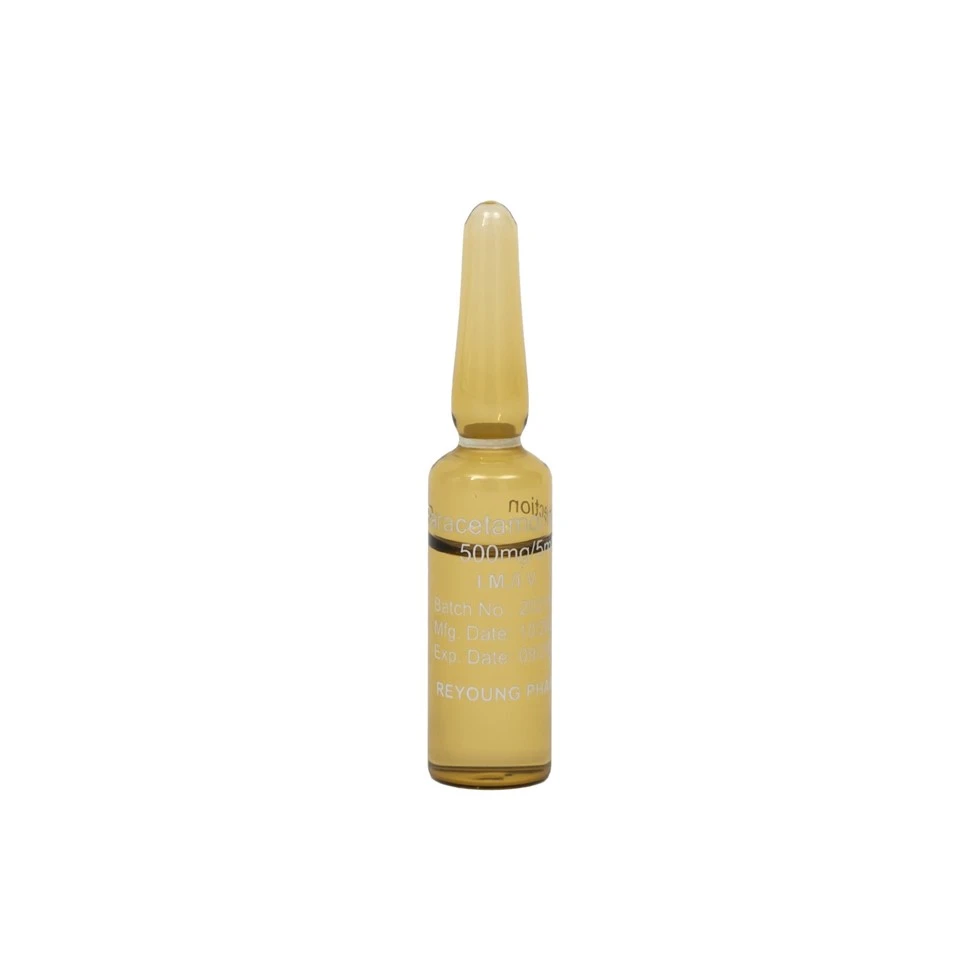
We also have Paracetamol Injection. Paracetamol is a well - known painkiller and fever reducer. It can be given via intramuscular or intravenous injection for quick relief of pain and fever.
Another product is Vitamin B12 Injection. Vitamin B12 is essential for nerve function and the production of red blood cells. Our Vitamin B12 Injection can be administered intramuscularly to correct B12 deficiencies.
Why Choose Our Small Volume Injections?
One of the main reasons to choose our small volume injections is the quality. We follow strict manufacturing standards to ensure that our products are safe and effective. Our production facilities are equipped with the latest technology, and our staff is highly trained.
We also offer a wide range of products, so you can find the right small volume injection for your needs. Whether you're a healthcare provider looking for medications for your patients or a distributor looking for reliable products, we've got you covered.
Contact Us for Procurement
If you're interested in purchasing our small volume injection products, we'd love to hear from you. We can discuss your specific requirements, such as volume, dosage, and delivery options. Just reach out to us, and our sales team will be happy to assist you in the procurement process. Start a conversation with us, and let's work together to meet your needs.
References
- Kee, J. L., Hayes, E. R., & McCuistion, L. E. (2019). Pharmacology: A Patient - Centered Nursing Process Approach. Elsevier.
- Perry, A. G., Potter, P. A., & Ostendorf, W. R. (2018). Clinical Nursing Skills & Techniques. Elsevier.