


As a supplier of Amikacin Sulfate Injection, I am often asked about the benefits of this medication. In this blog post, I will delve into the various advantages of using Amikacin Sulfate Injection, highlighting its effectiveness, safety, and versatility in treating a wide range of bacterial infections.
Potent Antibacterial Activity
One of the primary advantages of Amikacin Sulfate Injection is its potent antibacterial activity. Amikacin belongs to the aminoglycoside class of antibiotics, which are known for their broad-spectrum activity against aerobic gram-negative bacteria. Amikacin is particularly effective against strains of bacteria that have developed resistance to other antibiotics, including Gentamycin Sulfate Injection. This makes it a valuable treatment option for patients with serious infections caused by multidrug-resistant organisms.
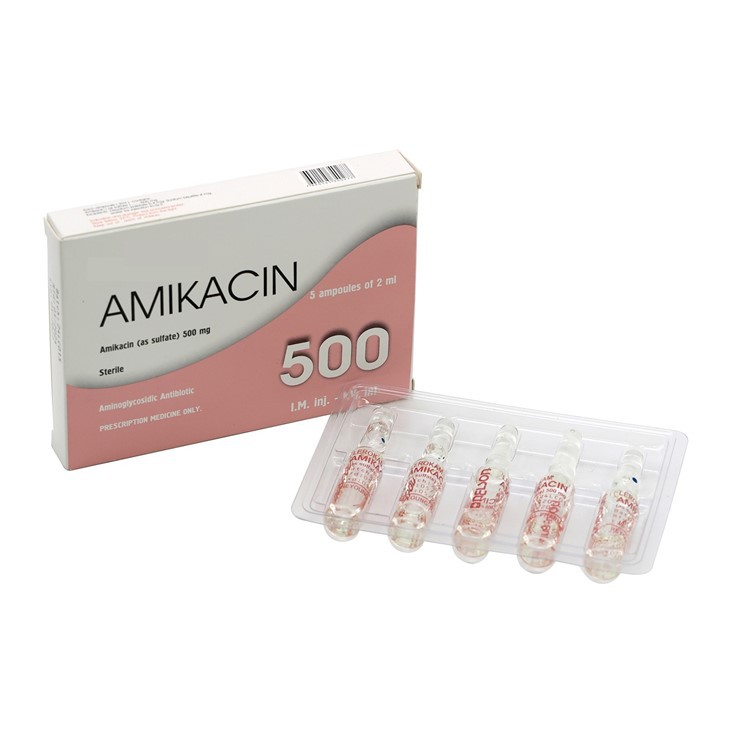

Amikacin works by binding to the bacterial ribosome, which is responsible for protein synthesis. By interfering with this process, Amikacin prevents the bacteria from producing essential proteins, ultimately leading to their death. This mechanism of action is highly effective against a wide range of bacteria, including Escherichia coli, Klebsiella pneumoniae, Pseudomonas aeruginosa, and Acinetobacter baumannii.
Treatment of Serious Infections
Amikacin Sulfate Injection is commonly used to treat severe infections that require immediate and aggressive treatment. These include infections of the respiratory tract, urinary tract, skin and soft tissues, and bloodstream. In cases of sepsis, where the infection has spread throughout the body, Amikacin can be a life-saving treatment option.
The high efficacy of Amikacin in treating serious infections is due in part to its ability to penetrate into tissues and reach high concentrations at the site of infection. This allows it to effectively target and eliminate bacteria, even in hard-to-reach areas. Additionally, Amikacin has a long half-life, which means that it can remain in the body for an extended period of time, providing continuous antibacterial activity.
Resistance Profile
In an era where antibiotic resistance is a growing concern, Amikacin Sulfate Injection offers a significant advantage. Many bacteria have developed resistance to other commonly used antibiotics, making them difficult to treat. However, Amikacin has a unique resistance profile that allows it to remain effective against many multidrug-resistant strains of bacteria.
The resistance mechanisms that bacteria use to evade the effects of other antibiotics, such as enzymatic inactivation or altered target sites, are less effective against Amikacin. This is because Amikacin has a different chemical structure and mode of action compared to other aminoglycosides and antibiotics. As a result, it can often be used as a last resort treatment option for patients with infections caused by resistant bacteria.
Safety and Tolerability
When it comes to using any medication, safety is of utmost importance. Amikacin Sulfate Injection has a well-established safety profile when used as directed. However, like all antibiotics, it can cause side effects in some patients. The most common side effects of Amikacin include nausea, vomiting, diarrhea, and dizziness. These side effects are usually mild and resolve on their own without any specific treatment.
In rare cases, Amikacin can cause more serious side effects, such as kidney damage, hearing loss, and neuromuscular blockade. However, these side effects are typically associated with high doses or prolonged use of the medication. To minimize the risk of side effects, it is important to use Amikacin at the appropriate dose and for the recommended duration of treatment. Additionally, patients should be closely monitored for any signs of adverse reactions during treatment.
Versatility in Treatment
Another advantage of Amikacin Sulfate Injection is its versatility in treatment. It can be used alone or in combination with other antibiotics to treat a variety of bacterial infections. In some cases, combining Amikacin with other antibiotics can enhance its antibacterial activity and improve treatment outcomes.
For example, Amikacin is often used in combination with beta-lactam antibiotics, such as penicillins or cephalosporins, to treat serious infections caused by gram-negative bacteria. The combination of these two classes of antibiotics can have a synergistic effect, meaning that they work together to provide a more effective treatment than either antibiotic alone.
Ease of Administration
Amikacin Sulfate Injection is administered by intramuscular or intravenous injection, depending on the severity of the infection and the patient's condition. The injection is typically given once or twice a day, making it a convenient treatment option for patients.
Intravenous administration of Amikacin allows for rapid and efficient delivery of the medication into the bloodstream, ensuring that it reaches the site of infection quickly. This is particularly important in cases of severe infections, where immediate treatment is necessary. Intramuscular injection, on the other hand, is a less invasive option that can be used for less severe infections or in patients who are unable to tolerate intravenous administration.
Cost-Effectiveness
In addition to its effectiveness and safety, Amikacin Sulfate Injection is also a cost-effective treatment option. Compared to other antibiotics that are used to treat serious infections, Amikacin is relatively inexpensive. This makes it accessible to a wider range of patients, particularly those in developing countries or those with limited financial resources.
The cost-effectiveness of Amikacin is further enhanced by its ability to treat infections that are caused by multidrug-resistant bacteria. By using Amikacin as a first-line treatment option, healthcare providers can potentially avoid the need for more expensive and invasive treatments, such as combination therapy or surgical intervention.
Conclusion
In conclusion, Amikacin Sulfate Injection offers a number of advantages for the treatment of bacterial infections. Its potent antibacterial activity, effectiveness against multidrug-resistant bacteria, safety and tolerability, versatility in treatment, ease of administration, and cost-effectiveness make it a valuable treatment option for patients with a wide range of infections.
If you are interested in learning more about Amikacin Sulfate Injection or would like to discuss potential purchasing options, please feel free to contact me. I am here to provide you with more information and assist you in making the best decision for your needs.
References
- Cunha BA. Antibiotic Essentials. Jones & Bartlett Learning; 2013.
- Mandell GL, Bennett JE, Dolin R. Mandell, Douglas, and Bennett's Principles and Practice of Infectious Diseases. Elsevier; 2020.
- Gilbert DN, Moellering RC Jr, Eliopoulos GM, et al. The Sanford Guide to Antimicrobial Therapy. Antimicrobial Therapy, Inc.; 2021.