


Hey there! I'm a supplier of Amikacin Sulfate Injection, and today I wanna talk about how this stuff interacts with antihistamines. It's a pretty important topic, especially for those in the medical field or just folks who wanna know more about the drugs they're taking.
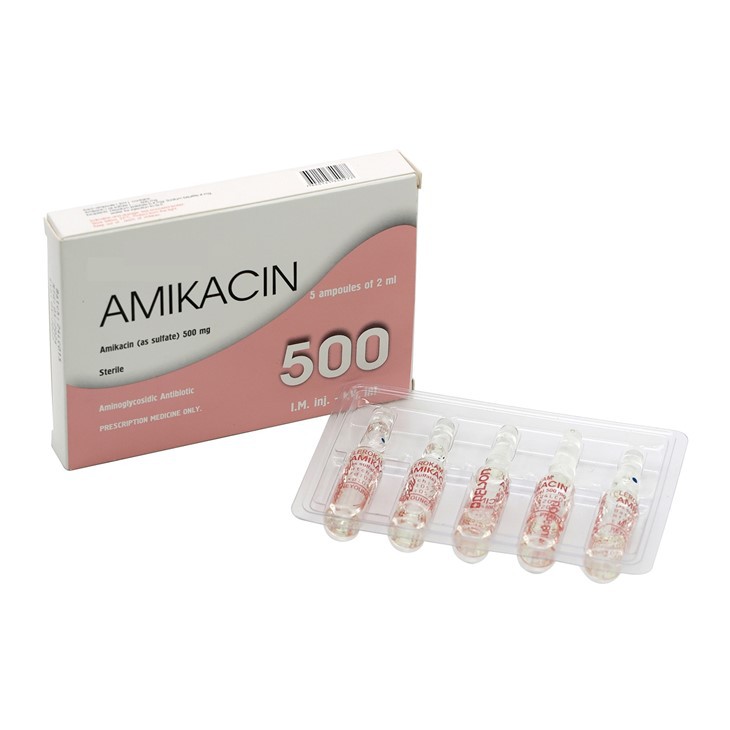
First off, let's get a bit of background on Amikacin Sulfate Injection. Amikacin is an aminoglycoside antibiotic. It's used to treat a wide range of bacterial infections, like those in the lungs, urinary tract, and skin. You can check out more details about Amikacin Sulfate Injection on our website.
Now, antihistamines. These are drugs that block the action of histamine, a chemical in the body that's released during an allergic reaction. They're commonly used to treat allergy symptoms like itching, sneezing, and runny nose.
So, how do these two types of drugs interact? Well, the interaction between Amikacin Sulfate Injection and antihistamines isn't something that's super well - known to the general public, but it's definitely a concern in the medical world.
One of the main things to worry about is the potential for increased side effects. Both Amikacin and some antihistamines can have an impact on the nervous system. Amikacin can sometimes cause nerve damage, especially in the ears, leading to hearing loss or balance problems. Some antihistamines can also cause drowsiness and affect the central nervous system. When you combine them, there's a risk that these effects could be amplified.
For example, if a patient is already taking an antihistamine that makes them a bit drowsy, and then they're given Amikacin Sulfate Injection, they might experience even more severe drowsiness. This could be dangerous, especially if the patient needs to be alert, like when driving or operating machinery.
Another aspect is the effect on the kidneys. Amikacin is known to have some nephrotoxicity, meaning it can damage the kidneys. Some antihistamines can also put a strain on the kidneys. When used together, there might be an increased risk of kidney problems. Doctors need to be really careful when prescribing these two drugs together, and they'll usually monitor the patient's kidney function closely.
Let's talk about the mechanism behind these interactions. The way Amikacin works is by binding to the bacterial ribosomes, which are like the protein - making factories in bacteria. This stops the bacteria from making the proteins they need to survive and grow. Antihistamines, on the other hand, block the histamine receptors in the body.
The exact way these two interact at a molecular level isn't fully understood, but it's thought that they might interfere with each other's metabolism in the body. Our liver is responsible for breaking down most drugs, and when you have two drugs that are being metabolized at the same time, they can compete for the enzymes in the liver. This can lead to one or both drugs staying in the body longer than they should, which can increase the risk of side effects.
It's also important to note that not all antihistamines will interact with Amikacin in the same way. There are different generations of antihistamines. The first - generation antihistamines, like diphenhydramine, are more likely to cause drowsiness and have a greater potential for interacting with Amikacin because they cross the blood - brain barrier more easily. Second - generation antihistamines, such as loratadine, are generally less likely to cause drowsiness and might have a lower risk of interaction, but it's still something that needs to be considered.

In a clinical setting, doctors have to weigh the benefits and risks when considering using Amikacin Sulfate Injection and antihistamines together. If a patient has a severe bacterial infection that requires Amikacin, but they also have allergic symptoms that need to be treated with an antihistamine, the doctor will need to decide if the benefits of treating both conditions outweigh the potential risks of the interaction.
They might start with a lower dose of one or both drugs and closely monitor the patient for any signs of side effects. This could include checking the patient's hearing, balance, kidney function, and overall well - being.
Now, I wanna compare Amikacin Sulfate Injection with another aminoglycoside antibiotic, Gentamycin Sulfate Injection. Gentamycin also has a similar potential for interaction with antihistamines. However, Amikacin is often preferred in some cases because it has a broader spectrum of activity against bacteria. It can treat a wider range of bacterial infections compared to Gentamycin.
But just like Gentamycin, Amikacin still has those potential side effects and interaction risks with antihistamines. So, doctors need to be just as cautious when using Amikacin as they would be with Gentamycin in combination with antihistamines.
If you're in the medical field, or if you're a patient who might be prescribed these drugs, it's crucial to have an open and honest conversation with your doctor or healthcare provider. They can explain the risks and benefits in more detail and make the best decision for your situation.
As a supplier of Amikacin Sulfate Injection, we're always here to support the medical community. We provide high - quality products and are committed to ensuring that everyone has access to the information they need about our drugs.
If you're interested in purchasing Amikacin Sulfate Injection for your medical facility or practice, we'd love to have a chat with you. We can discuss pricing, delivery options, and any other questions you might have. Just reach out to us, and we'll be more than happy to start a conversation about how we can meet your needs.
In conclusion, the interaction between Amikacin Sulfate Injection and antihistamines is a complex but important topic. There are potential risks involved, mainly in terms of increased side effects and the impact on the nervous system and kidneys. Doctors need to be vigilant when prescribing these two drugs together, and patients need to be informed. And if you're looking for a reliable supplier of Amikacin Sulfate Injection, we're here to help.
References
- Goodman & Gilman's The Pharmacological Basis of Therapeutics. This comprehensive textbook provides in - depth information on drug interactions and the mechanisms of action of various drugs, including Amikacin and antihistamines.
- Medical journals such as The New England Journal of Medicine and The Lancet. These journals often publish research studies on drug interactions and the latest findings in the field of pharmacology.