


Hey there! As a supplier of Amikacin Sulfate Injection, I often get asked about how this medicine affects the kidneys. So, I thought I'd dive into the topic and share some insights.
First off, let's talk a bit about Amikacin Sulfate Injection. It's a powerful antibiotic that belongs to the aminoglycoside class. You can learn more about it on our Amikacin Sulfate Injection page. This stuff is used to treat a variety of bacterial infections, especially those that are resistant to other antibiotics.
Now, onto the big question - how does it affect the kidneys? Well, like many antibiotics in the aminoglycoside family, Amikacin Sulfate Injection can have some impact on kidney function. Aminoglycosides are known for their potential nephrotoxicity, which is just a fancy term for kidney damage.
The way it works is that after you inject Amikacin Sulfate, it gets filtered by the kidneys. The drug is taken up by the cells in the renal tubules, which are the tiny tubes in the kidneys that help filter waste and reabsorb useful substances. Once inside these cells, Amikacin Sulfate can cause a few problems.
It can disrupt the normal functioning of the cells by interfering with various cellular processes. For example, it can mess with the production of energy within the cells. The cells need energy to carry out their jobs properly, so when this is disrupted, it can lead to cell damage. Over time, if enough cells are damaged, it can impair the overall function of the kidneys.
One of the early signs of kidney damage from Amikacin Sulfate Injection might be a change in urine output. You might notice that you're urinating less than usual, or the color of your urine might change. There could also be an increase in the levels of certain substances in the blood, like creatinine and blood urea nitrogen (BUN). Doctors often monitor these levels to check how well the kidneys are working.
Another potential issue is electrolyte imbalance. The kidneys play a crucial role in maintaining the right balance of electrolytes, such as sodium, potassium, and calcium, in the body. When the kidneys are affected by Amikacin Sulfate, this balance can get thrown off. This can lead to all sorts of problems, like muscle weakness, irregular heart rhythms, and even seizures in severe cases.
But here's the good news - not everyone who takes Amikacin Sulfate Injection will experience kidney damage. The risk depends on a few factors. First of all, the dose matters. Higher doses are more likely to cause kidney problems than lower ones. The duration of treatment also plays a role. The longer you're on the drug, the greater the chance of developing kidney issues.
Your overall health also matters. If you already have kidney problems or other health conditions, like diabetes or high blood pressure, you're at a higher risk. Older adults are also more susceptible to the nephrotoxic effects of Amikacin Sulfate because their kidneys may not function as well as younger people's.
Doctors are aware of these risks, and they take steps to minimize them. Before prescribing Amikacin Sulfate Injection, they'll usually do a thorough evaluation of your kidney function. They'll check your blood and urine to get a baseline understanding of how your kidneys are working. During treatment, they'll closely monitor your kidney function by regularly checking your blood and urine. If they notice any signs of kidney damage, they may adjust the dose or stop the treatment altogether.
Now, you might be wondering how Amikacin Sulfate Injection compares to other similar antibiotics. Take Gentamycin Sulfate Injection, for example. Both are aminoglycosides, so they have similar risks of nephrotoxicity. However, Amikacin Sulfate is sometimes preferred because it may be less toxic to the kidneys in certain situations. It has a broader spectrum of activity against bacteria, which means it can be effective against a wider range of infections.
So, if you or someone you know is going to be treated with Amikacin Sulfate Injection, it's important to be aware of the potential risks to the kidneys. But don't panic - with proper monitoring and management, the benefits of using this antibiotic can often outweigh the risks.

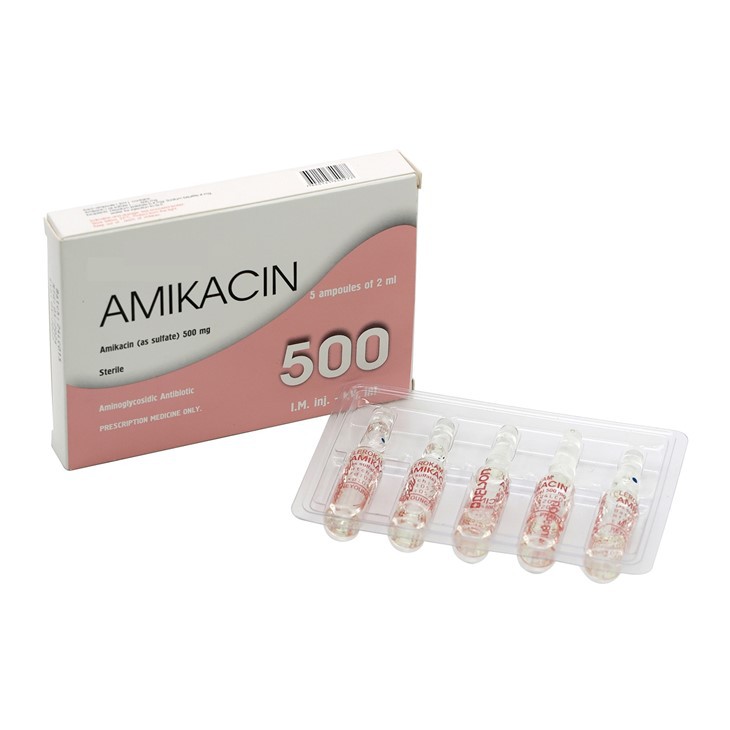
If you're in the market for a reliable source of Amikacin Sulfate Injection, look no further. As a supplier, we're committed to providing high-quality products. We understand the importance of safety and effectiveness, and we work hard to ensure that our Amikacin Sulfate Injection meets the highest standards. If you're interested in learning more about our products or starting a procurement discussion, we'd love to hear from you.
References
- Li, L., & Zhou, X. (2018). Nephrotoxicity of aminoglycosides: An update. Renal failure, 40(1), 36-42.
- Mingeot-Leclercq, M. P., & Tulkens, P. M. (1999). Aminoglycosides: Nephrotoxicity. Antimicrobial agents and chemotherapy, 43(10), 2569-2576.