


As a supplier of Amikacin Sulfate Injection, I've witnessed firsthand the wide - spread use and effectiveness of this medication in the medical field. One question that often comes up in discussions with medical professionals and those interested in pharmaceuticals is how Amikacin Sulfate Injection affects the immune system. In this blog, I'll delve into the scientific aspects of this relationship and provide a comprehensive understanding.
Understanding Amikacin Sulfate Injection
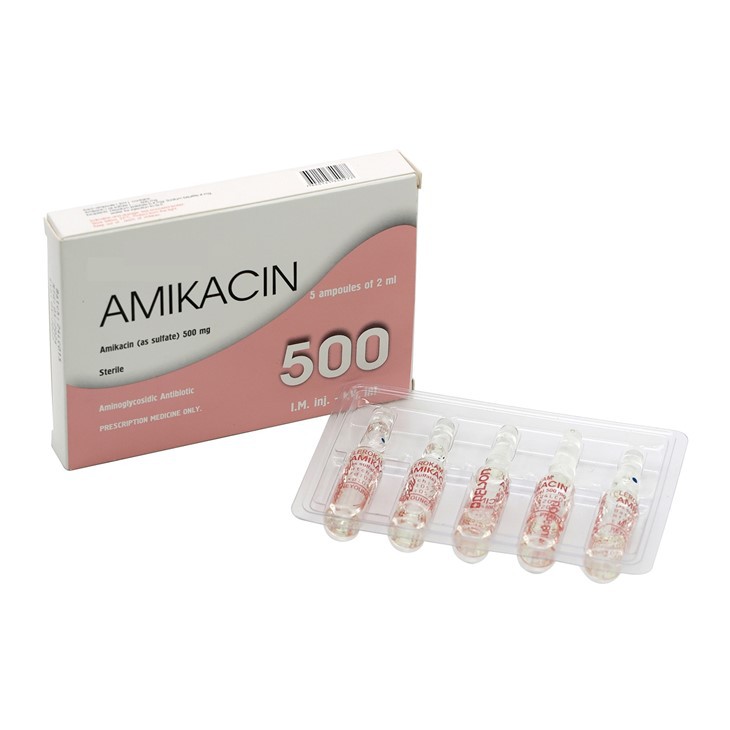
Amikacin Sulfate Injection is an aminoglycoside antibiotic. It is used to treat various bacterial infections, including those caused by Gram - negative bacteria such as Pseudomonas aeruginosa, Escherichia coli, and Klebsiella pneumoniae. The injection works by binding to the bacterial ribosome, specifically the 30S subunit, which disrupts the normal process of protein synthesis in bacteria. This interference ultimately leads to the death of the bacteria, helping to clear the infection. You can learn more about Amikacin Sulfate Injection.

Direct Impact on the Immune System
- Reduction of Bacterial Load
The most direct way Amikacin Sulfate Injection affects the immune system is by reducing the bacterial load in the body. When a person is infected with bacteria, the immune system is activated to fight off the invaders. However, if the bacterial infection is severe, the immune system may be overwhelmed. By effectively killing the bacteria, Amikacin Sulfate Injection helps to relieve the burden on the immune system. For example, in a patient with a severe urinary tract infection caused by E. coli, the injection can quickly reduce the number of bacteria in the urinary tract. This allows the immune system to focus on clearing the remaining bacteria and repairing any damage caused by the infection. - Influence on Inflammatory Response
Inflammation is a key part of the immune response. When bacteria invade the body, the immune system releases various cytokines and chemokines to recruit immune cells to the site of infection. Amikacin Sulfate Injection can indirectly influence this inflammatory response. By reducing the number of bacteria, it can lead to a decrease in the production of pro - inflammatory cytokines. For instance, in cases of pneumonia caused by Gram - negative bacteria, the injection may lower the levels of cytokines such as tumor necrosis factor - alpha (TNF - α) and interleukin - 6 (IL - 6). This reduction in inflammation can prevent excessive tissue damage that might occur due to an over - zealous immune response.
Indirect Effects on the Immune System
- Interaction with Immune Cells
Although Amikacin Sulfate Injection is primarily targeted at bacteria, it may have some indirect effects on immune cells. Some studies have suggested that aminoglycosides like Amikacin Sulfate may affect the function of macrophages. Macrophages are important immune cells that engulf and digest bacteria. In vitro studies have shown that high concentrations of aminoglycosides can alter the phagocytic activity of macrophages. However, in clinical settings, the concentrations of Amikacin Sulfate used are usually within a range that does not cause significant impairment of macrophage function. In fact, by reducing the bacterial load, the injection may allow macrophages to function more effectively in clearing the remaining bacteria. - Impact on the Microbiome
The human body is home to a vast number of microorganisms, collectively known as the microbiome. These microorganisms play an important role in maintaining the health of the immune system. Amikacin Sulfate Injection, like other antibiotics, can have an impact on the microbiome. It may not only kill the pathogenic bacteria but also some of the beneficial bacteria in the body. For example, it can disrupt the balance of bacteria in the gut microbiome. This disruption can potentially affect the immune system, as the gut microbiome is closely linked to immune function. However, the extent of this impact depends on various factors such as the duration of treatment and the dose of the injection.
Comparison with Other Aminoglycoside Antibiotics
When discussing the impact of Amikacin Sulfate Injection on the immune system, it's useful to compare it with other aminoglycoside antibiotics. Gentamycin Sulfate Injection is another commonly used aminoglycoside. Both antibiotics have similar mechanisms of action against bacteria, but they may have different effects on the immune system.
- Efficacy and Immune Burden
Amikacin Sulfate Injection is often considered more effective against certain resistant strains of bacteria compared to Gentamycin Sulfate Injection. This means that in some cases, Amikacin Sulfate may be able to clear the infection more quickly, reducing the overall burden on the immune system. For example, in infections caused by bacteria with reduced susceptibility to Gentamycin, Amikacin Sulfate may be a better choice to relieve the immune system's workload. - Toxicity and Immune Function
Both antibiotics can have potential toxic effects on the body. However, the toxicity profiles may differ. Gentamycin is known to have a relatively higher risk of ototoxicity and nephrotoxicity compared to Amikacin Sulfate. These toxic effects can indirectly affect the immune system. For example, kidney damage caused by Gentamycin can lead to a decrease in the production of certain immune - related molecules. In contrast, the lower toxicity of Amikacin Sulfate may result in less disruption to the normal functioning of the immune system.
Clinical Considerations
- Combination Therapy and the Immune System
In some cases, Amikacin Sulfate Injection may be used in combination with other antibiotics or medications. This combination therapy can have complex effects on the immune system. For example, when used in combination with a beta - lactam antibiotic, the two drugs may work synergistically to kill bacteria more effectively. This can lead to a more rapid reduction in the bacterial load and a quicker resolution of the infection, which is beneficial for the immune system. However, it's important to carefully monitor the patient, as the combination of different drugs may also increase the risk of side effects that could potentially affect the immune system. - Patient - Specific Factors
The impact of Amikacin Sulfate Injection on the immune system can also vary depending on patient - specific factors. For example, patients with weakened immune systems, such as those with HIV/AIDS or undergoing chemotherapy, may respond differently to the injection. Their immune systems may be less able to cope with the infection and the potential side effects of the medication. In these cases, close monitoring of the immune function is crucial during treatment with Amikacin Sulfate Injection.
Conclusion
In conclusion, Amikacin Sulfate Injection has both direct and indirect effects on the immune system. Its primary role in reducing the bacterial load helps to relieve the burden on the immune system and can lead to a more efficient immune response. However, it's important to be aware of its potential indirect effects, such as on the microbiome and immune cells. When compared to other aminoglycoside antibiotics like Gentamycin Sulfate Injection, Amikacin Sulfate has some advantages in terms of efficacy and toxicity, which can also impact the immune system.
As a supplier of Amikacin Sulfate Injection, I understand the importance of providing high - quality medications that are not only effective in treating infections but also minimize the negative impact on the immune system. If you are interested in learning more about our Amikacin Sulfate Injection or have any questions regarding its use in your medical practice, I encourage you to reach out to us for further discussion and potential procurement opportunities.
References
- Mandell, G. L., Bennett, J. E., & Dolin, R. (2015). Mandell, Douglas, and Bennett's Principles and Practice of Infectious Diseases. Elsevier.
- Goodman, L. S., & Gilman, A. (2018). Goodman and Gilman's The Pharmacological Basis of Therapeutics. McGraw - Hill Education.
- Principles of Antimicrobial Chemotherapy. In: Kasper DL, Fauci AS, Hauser SL, et al., eds. Harrison's Principles of Internal Medicine, 20th ed. McGraw - Hill; 2018.