


Hey there! So, you're dealing with a respiratory infection and wondering if you can pop an Aspirin Tablet. Well, let's dig into this and find out what's what.
First off, what's a respiratory infection anyway? It's basically an infection that hits your respiratory system, which includes your nose, throat, lungs, and all that good stuff. You might be coughing, sneezing, feeling all congested, and generally pretty lousy. There are two main types: upper respiratory infections (like the common cold or the flu) and lower respiratory infections (such as pneumonia or bronchitis).
Now, let's talk about Aspirin. Aspirin has been around for ages. It's one of those classic over - the - counter meds that people turn to for all sorts of things. It's an anti - inflammatory, which means it can help reduce swelling and inflammation in your body. It also has pain - relieving and fever - reducing properties. So, it sounds like a pretty good option when you're under the weather with a respiratory infection, right?
Well, in some cases, yes. If you've got a mild upper respiratory infection, like a cold, and you're experiencing a headache, body aches, or a fever, taking an Aspirin Tablet can definitely make you feel better. The pain - relieving aspect can help with those pesky headaches and body aches that often come with a cold. And the fever - reducing part? That's great if you're running a temperature.
But here's the thing. There are some situations where you might want to think twice before reaching for that Aspirin. If you're a child or a teenager, especially if you've got a viral respiratory infection like the flu or chickenpox, it's a no - go. Using Aspirin in kids and teens with these types of viral infections has been linked to a rare but serious condition called Reye's syndrome. Reye's syndrome can cause swelling in the liver and brain, and it can be life - threatening. So, for the younger crowd, it's best to stick with other options like Paracetamol Tablets.
Another thing to consider is if you have any underlying health conditions. If you've got a bleeding disorder, like hemophilia, or if you're taking blood - thinning medications, Aspirin might not be the best choice. Aspirin can increase the risk of bleeding, and that's definitely something you want to avoid if you're already prone to it.
Also, if you have asthma, be careful. Some people with asthma can have an allergic reaction to Aspirin, which can trigger asthma symptoms like wheezing, shortness of breath, and coughing. So, if you've got asthma, it's a good idea to talk to your doctor before taking Aspirin.
Now, let's compare Aspirin with some other common pain and fever relievers. Paracetamol Tablets are a popular alternative. They're great for reducing fever and relieving pain, and they're generally considered safe for most people, including children. They don't have the anti - inflammatory properties that Aspirin does, but they can still make you feel better when you're sick.
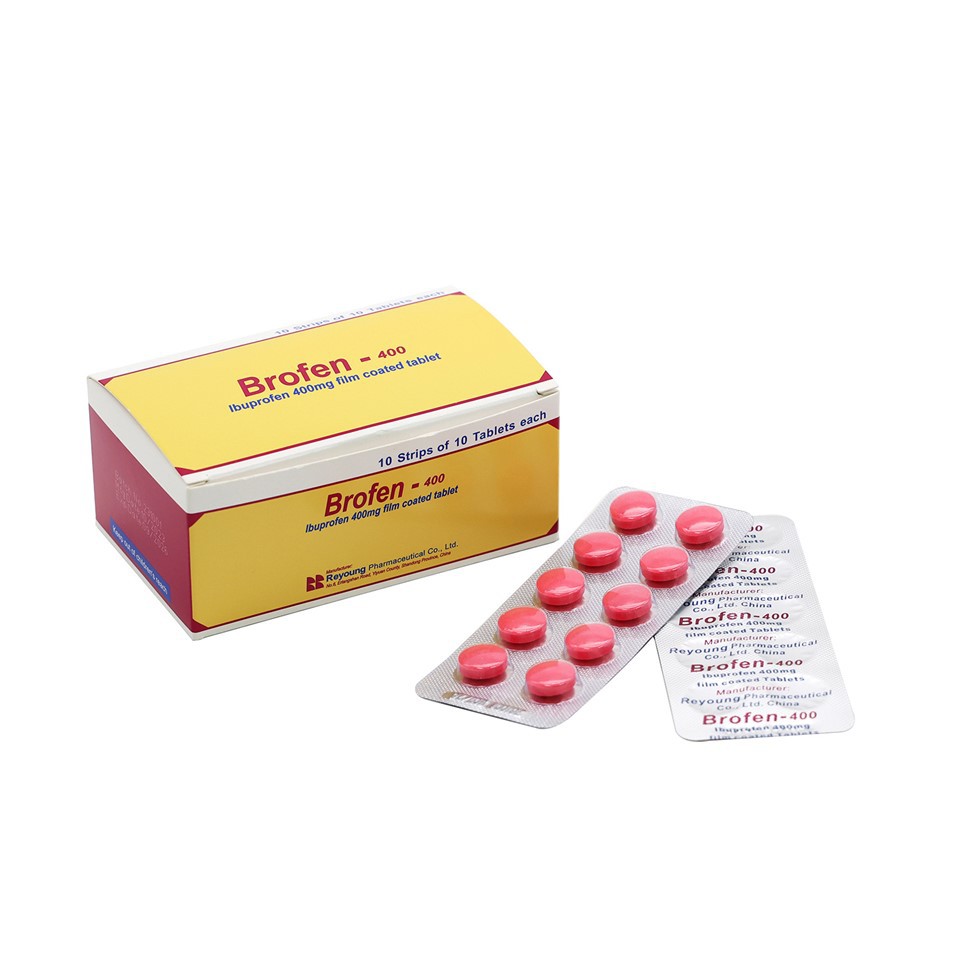
Then there are Ibuprofen Film - coated Tablets. Ibuprofen is another anti - inflammatory, pain - relieving, and fever - reducing medication. It's similar to Aspirin in some ways, but it might be a better option for some people. For example, if you can't take Aspirin because of a bleeding risk or an asthma reaction, Ibuprofen might be a good alternative.
So, how do you decide if Aspirin is right for you when you have a respiratory infection? Well, it really depends on your individual situation. If you're an adult with no underlying health conditions and you've got a mild upper respiratory infection with a headache, body aches, or a fever, Aspirin can be a good choice. But if you're not sure, it's always a good idea to talk to your doctor or a pharmacist. They can give you personalized advice based on your health history and the specific symptoms you're experiencing.

As an Aspirin Tablets supplier, I can tell you that our Aspirin Tablets are high - quality and meet all the necessary safety standards. We've been in the business for a long time, and we know how important it is to have reliable medications when you're sick. Our tablets are easy to take and can provide effective relief from pain and fever.
If you're interested in purchasing our Aspirin Tablets, whether you're a pharmacy, a hospital, or an individual looking for a good supply, we'd love to talk to you. Just reach out to us for more information and to start the procurement process. We're here to help you get the medications you need to feel better.
In conclusion, taking an Aspirin Tablet when you have a respiratory infection can be a good option in some cases, but it's not suitable for everyone. It's important to consider your age, your health conditions, and any other medications you're taking. And remember, when in doubt, always consult a medical professional.
References:
- Medical textbooks on respiratory infections and pharmacology
- Information from the World Health Organization (WHO) on over - the - counter medications
- Research studies on the use of Aspirin in respiratory infections and associated risks