


Hey there! As an Aspirin Tablets supplier, I often get asked about whether these little pills can interact with other medications. It's a super important question, and I'm here to break it down for you in a way that's easy to understand.
First off, let's talk a bit about Aspirin Tablets. You can check out more info about them here. Aspirin is a well - known drug that's been around for ages. It's mainly used for pain relief, reducing fever, and even preventing blood clots. But just like any other medicine, it can have some interactions with other drugs.
One of the most common questions is about the interaction between Aspirin and Paracetamol Tablets. Paracetamol is another popular painkiller and fever reducer. In general, taking Aspirin and paracetamol together is usually considered safe. They work in different ways to relieve pain and reduce fever. Aspirin works by blocking the production of certain chemicals in the body that cause pain and inflammation, while paracetamol acts on the brain to change how we perceive pain and regulate body temperature.
However, taking high doses of both at the same time can increase the risk of side effects. For example, both drugs can affect the liver, and over - dosing on them can lead to liver damage. So, it's always a good idea to stick to the recommended doses and consult a doctor if you're not sure.
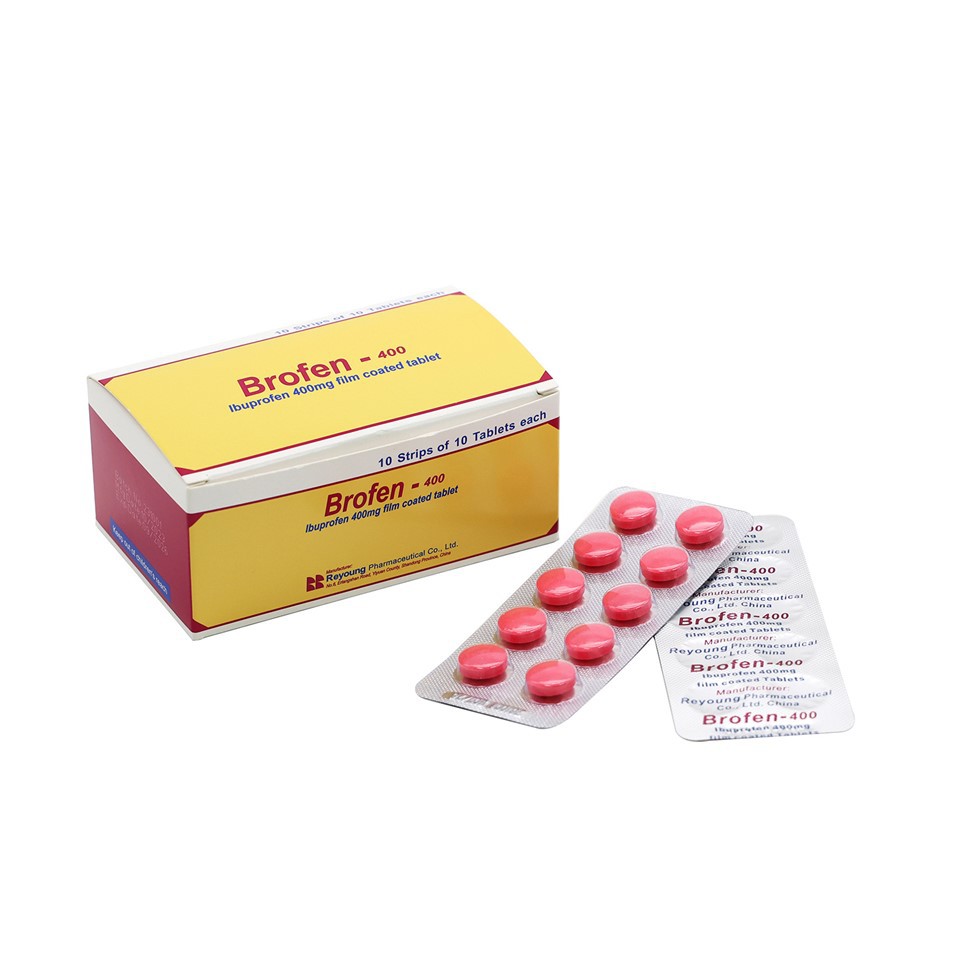
Another common combination people wonder about is Aspirin and Ibuprofen Film - coated Tablets. Ibuprofen is also a non - steroidal anti - inflammatory drug (NSAID), just like Aspirin. Taking them together can increase the risk of side effects such as stomach ulcers, bleeding, and kidney problems. These two drugs work in a similar way, so taking them together doesn't usually provide any extra benefit. In fact, it can be more harmful. Doctors usually don't recommend taking Aspirin and ibuprofen together unless it's under their supervision.
Aspirin can also interact with blood thinners. Warfarin is a commonly prescribed blood thinner, and when taken with Aspirin, it can increase the risk of bleeding. Aspirin itself has blood - thinning properties, and combining it with warfarin can make the blood too thin, leading to excessive bleeding, even from minor cuts or bruises. If you're on warfarin or any other blood - thinning medication, you should definitely talk to your doctor before taking Aspirin.

Diuretics, also known as water pills, are another group of drugs that can interact with Aspirin. Diuretics are used to help the body get rid of excess water and salt. When taken with Aspirin, they can reduce the effectiveness of the diuretic. Aspirin can also cause the body to retain more sodium and water, which is the opposite of what diuretics are supposed to do.
Some people who take medications for high blood pressure might also be concerned about taking Aspirin. Certain blood - pressure medications, like ACE inhibitors and angiotensin receptor blockers (ARBs), can interact with Aspirin. Aspirin can reduce the effectiveness of these blood - pressure drugs, and in some cases, it can even increase blood pressure. So, if you're on blood - pressure medication, it's important to discuss Aspirin use with your doctor.
Antidepressants are yet another group of drugs that can interact with Aspirin. Selective serotonin reuptake inhibitors (SSRI), a common type of antidepressant, can increase the risk of bleeding when taken with Aspirin. Both drugs can affect the blood's ability to clot, so combining them can be dangerous.
It's not just prescription drugs that can interact with Aspirin. Some herbal supplements can also cause problems. For example, ginkgo biloba, a popular herbal supplement used for memory and concentration, can increase the risk of bleeding when taken with Aspirin. St. John's wort, which is sometimes used to treat mild depression, can also interact with Aspirin and reduce its effectiveness.
So, what should you do if you're taking other medications and want to take Aspirin? Well, the first thing is to talk to your doctor or pharmacist. They know your medical history and the other medications you're taking, so they can give you the best advice. They can tell you whether it's safe to take Aspirin, and if so, what the appropriate dose is.
As a supplier of Aspirin Tablets, I always encourage people to be informed about the medications they're taking. It's not just about getting the relief you need; it's also about staying safe. We want to make sure that our customers use our products in the right way.
If you're in the market for high - quality Aspirin Tablets, we've got you covered. Our tablets are made with the highest standards of quality and safety. We source the best ingredients and follow strict manufacturing processes to ensure that you get the best product. If you're interested in purchasing our Aspirin Tablets or have any questions about our products, feel free to reach out for a procurement negotiation. We're here to help you make the best decision for your needs.
References:
- Medical literature on drug interactions
- Clinical guidelines on pain management and medication use